
While living in Humboldt County I was inspired by old photographs and images from the Mexican revolution and the images of Native Americans. These are images from that period.
Prints are available upon request. Price is determined by size.
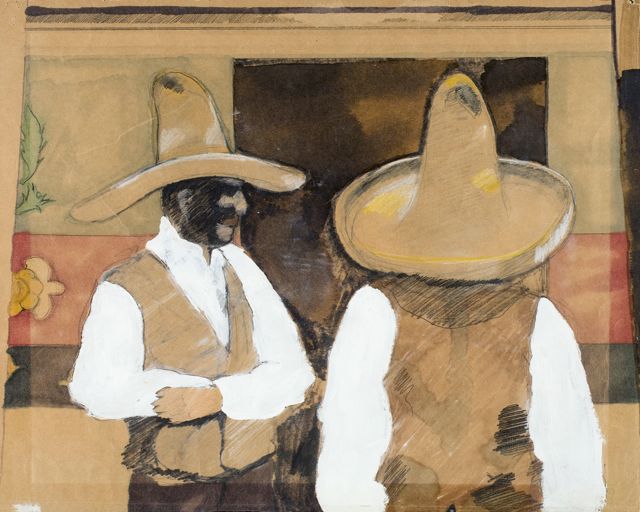
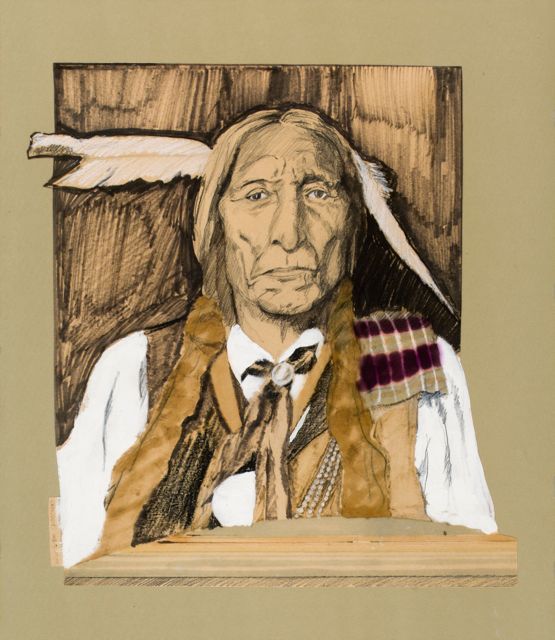

While living in Humboldt County I was inspired by old photographs and images from the Mexican revolution and the images of Native Americans. These are images from that period.
Prints are available upon request. Price is determined by size.

There are still many wonderful paintings available for purchase. I have several small pieces that are available:
The following 8″x8″x1.5″ pieces are still available for sale at the show at $45.00 each. All sales benefit the SMHS Performing Arts Fund.



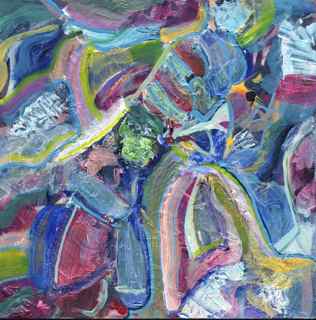
This larger piece is also available for purchase:

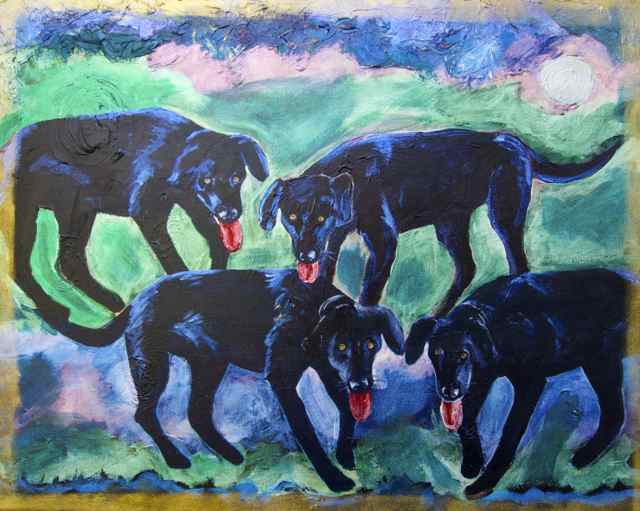
“Four labs”, acrylic on canvas, framed 24”x36”; © 2014 A. Michael Marzolla
My painting in tribute to my four Labrador friends. Originals and prints are available.
Bear, Mars, Humboldt and Oso.

This painting is hanging on the south wall of the Vera Cruz House on Santa Barbara Street in Santa Barbara.

My first zinc engraving from way back in 1970. Bear was my first Humboldt County Lab. He was half Lab and half McNab. Prints available for sale.

Oso was my most recent Lab buddy. He passed in January of 2012 at the age of 13. November, 1998-January 2012.

My formal portrait of Oso.
These are my photographs from the El Tigre Agricultural Cooperative Nutrition Education Project in El Salvador from 1976-’77 where I was Peace Corps Volunteer & a project team-member. These photos document the cooperative and community life.

My Peace Corps service started in 1973 in Guatemala, working with an agricultural cooperative. I had a degree in art from Humboldt State but wanted the experience of learning first hand about other cultures and was looking forward to making new friends and improving my Spanish. I hoped to make a small difference in Central America.

In 1976, I was reassigned to a nutrition education research project located in El Salvador. The purpose was to assess a rural community’s protein/calorie malnutrition status and determine if local food sources could be developed to address the malnutrition. Three out of four children were considered malnourished because they were not receiving enough protein and calories. International food aid was not solving the problem. Could a model program be developed that would improve nutrition status using local food sources?

After meeting with local community leaders, the El Tigre community cooperative in El Salvador was identified as an ideal site for the project. This is a photo of the coop headquarters. The cooperative was made up of approximately 30 families with a total population of 150 people. All of the families lived on or near the cooperatives’ land.
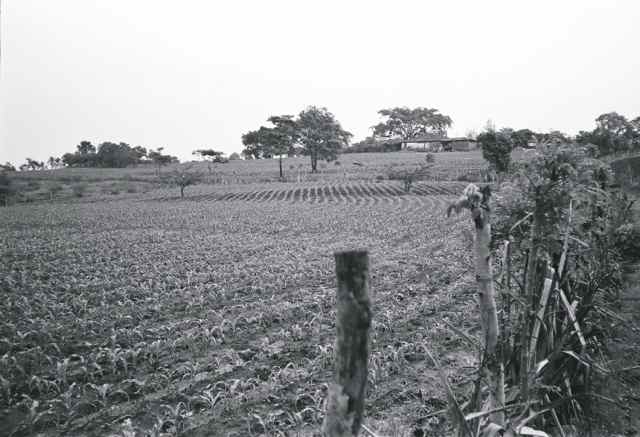
The coop managed approximately 800 hectares/ or 1,977 acres of arable land. Corn and beans served as their basic food crop, with surplus being sent to market. When the project was initiated, the cooperative was farming using only animal traction, hand planting and cultivation.

Transport to and from the cooperative was on foot, horse-back or via the chicken bus that carried not only people, but often small livestock, and sometimes even pigs. Roads into the area were not paved and subject to washouts and flooding in the rainy season. The nearest school, market and clinic was 14 kilometers away in the town of Ahuachapan.

This gentleman, a member of the coop, is sitting with his grandsons on the porch of the coop offices. He would tell me stories of his childhood, and in particular, I remember him telling me of the 1932 Pipil Indian revolt and the resulting massacre of 10,000 Pipiles by General Martinez, the El Salvador head-of-state. The abuelito told me with a hint of irony that Martinez’s explanation was that the lives of the Pipiles was so miserable that he was doing them a favor and speeding their trip to heaven.

This was typical house for a cooperative member’s family. The houses were seen as transitional to more permanent adobe or cement block structures that a family would build as the money and materials became available.

Our project team included an multi-national group of medical staff, technicians and research scientists from Costa Rica, Nicaragua, Guatemala and El Salvador, Holland and the U.S. We developed a sense of mutual trust that proved to be crucial for the projects success as we worked on nutrition assessments and nutritional education programs. The most popular activity was the outdoor movie night.

The project began with a health assessment of all of the community members. This included biometrics: weight, height, age, Body Mass Index (BMI) and blood values. This information was used to establish the communities’ overall health baseline. Here, our teams’ master health technician, Ruben Dario does a BMI assessment on a very pregnant community member.
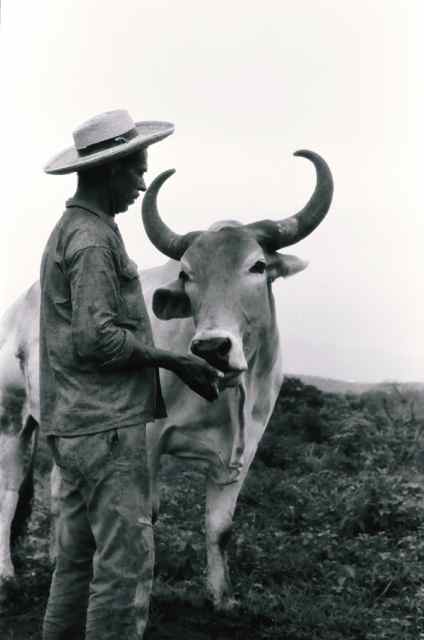
This is the El Tigre Cooperative manager visiting with one of the coop’s prized oxen. When the cooperative was started, animal traction was the primary means of preparing the ground for planting as well as for hauling heavy loads. Hauling was done with two-wheeled ox carts, the sort of conveyance that was common back in the times of ancient Rome.

This is a classic ancient-style plough used for preparing the coop’s land for planting. It was hauled by a team of oxen. There wasn’t the labor and time available to prepare the 800 hectares by hand and so much of the land would lay fallow or unplanted.

These cooperative members hold tools of their trade: an azadon ( a large hoe), picks, machetes, and home-made cane knives. The large vessels in the foreground were for hauling water to the field. One is made of metal, and the other is made from clay. Today these have been replaced by cheap Chinese made vessels.

Eventually the cooperative was able to secure a loan to mechanize their production. They were able purchase two tractors, disks, and a large truck for hauling seed, fertilizer and product. This investment increased the cooperatives ability to expand their production capacity and leap from the 17th to the 20th century in terms of technology.

These are the proud owners of a newly acquired disk. This tool gave them the capacity to expand the cultivation of crops to a wider variety of fruits and vegetables. This increased their income so they could purchase livestock, thus giving the families more access to protein.
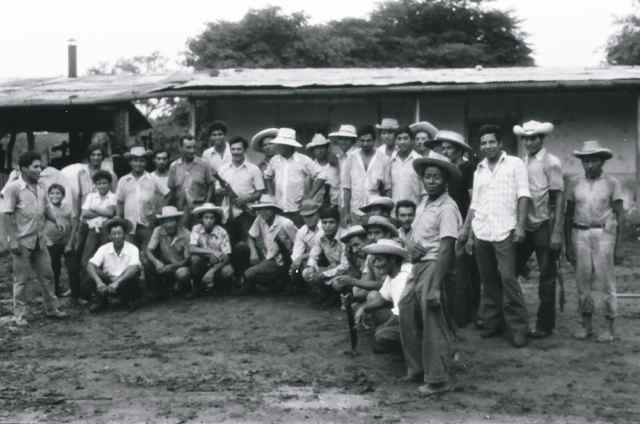
Here the cooperatives male members gather for a group portrait. Together in a cooperative, they were able to expand their potential and the possibility of creating a better life for themselves and their families. It was a successful grassroots effort started by the community members themselves.

Doña Maria shows off her homebuilt kitchen. Most of the women members not only worked the land, they also had the endless task of preparing meals for their families. There was no running water, electricity or refrigeration. Firewood was the principal cooking fuel.

Here a cooperative family, Don Mario, and his wife and daughter are sitting down for a meal of corn tortillas, beans, rice, chicken and greens. This was a feast compared to many rural families, who, if they were lucky would have a meal of only tortillas and beans.

This is our INCAP team and coop families on the porch of the El Tigre Coop building in 1977. The project was able to track the improvement of protein/calorie intake and the increase in family income. There was a strong sense of hope and possibility among these families.

When political tensions in El Salvador increased and our team was labeled “communists” by the U.S.-backed Salvadoran government we were told to leave the country. The El Tigre Cooperative was eliminated and the families forced to flee. This album of photos is very likely the only record of a period of hope and a project that might have served as a model for helping address chronic poverty and malnutrition.
© 2013 A. Michael Marzolla, All Rights Reserved
Personal expression and the creative process using the exploration of color, light and motion, best represent why I am drawn to making art.
I remember picking up a pencil and drawing as a kid. My middle school years were spent in Rome, Italy, where I was exposed to a wide variety of art and artists. I filled tablets with sketches and watercolors and started cartooning. In high school, I was the cartoonist and artist for the school paper and continued to sketch and paint for pleasure. It was natural for me to pursue a degree in studio art at the college level. I received a degree in Fine Arts from Humboldt State University.

I have donated art to the following exhibits. I hope you can join me in supporting these worthy efforts.
“Cartooning in the abstract” 12”X16”xx1.5″ acrylic on panel ; © 2013 A. Michael Marzolla
“Excogitation on metamorpho” , acrylic on panel, 8”x8”x1.5″, © 2014 A. Michael Marzolla $45.00
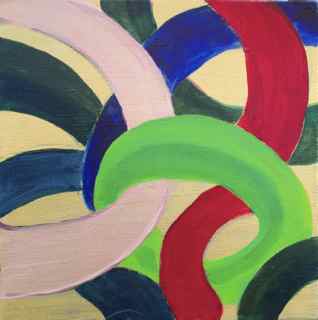
”Cicli”, acrylic on canvas, 8”x8”x1.5″, © A. Michael Marzolla, 2014 $45.00

“a la vuelta”, acrylic on canvas, 8”x8”x1.5″ ,
© A. Michael Marzolla 2014 $45.00
“raizes”, acrylic on panel, 8”x8” x1.5″,
© A. Michael Marzolla 2014
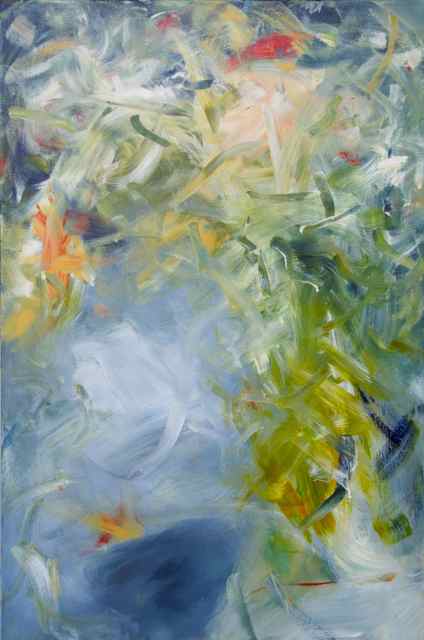
“Primavera 2”, acrylic on canvas, 24”x36”x1.5” framed; © 2014 A. Michael Marzolla SOLD
Another show to support Get Oil Out…
Here is a preview of the works I have contributed to the show:
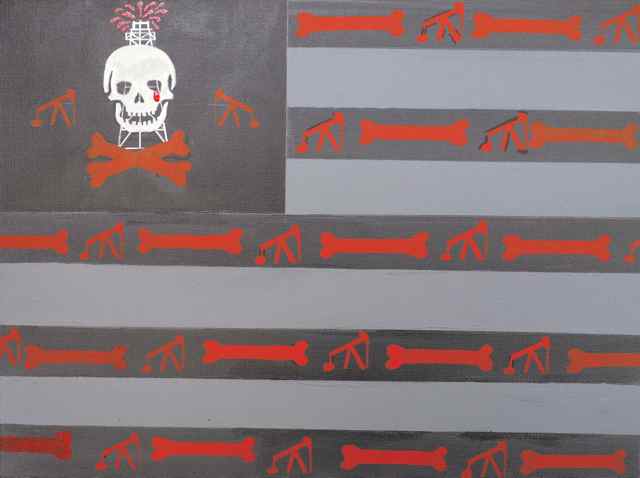
“Bandera Negra”, acrylic on canvas, 18”x24”x1.5” © 2014 A. Michael Marzolla $850.00
Breaking news: This image was banned from the show by GOO. It was removed from the wall after it had been hung in the activist section of the show. It is still for sale. Half of the proceeds will be donated to the local chapter of 350.org or a similar NGO that fights local fossil fuel development.


“Santo Gojira vs. Big Oil”, mixed media on panel, 10.3/4”x133/4”, © 2014A. Michael Marzolla

“Aguas azules”, acrylic on panel, 24”x36”x1.5″ © 2014 A. Michael Marzolla Price: $1650.00

“Old man head-above-water?”, framed acrylic on canvas, 9“x12”, © 2013 A. Michael Marzolla
Price: $450.00
Maybe it is my interest in all maritime related topics and the conduction of human behavior, misbehavior and the environment. I present here a selection of my pirate-related images for your enjoyment (or rejection!).


El Malo, digital painting, 16″x20″x1.5″, printed on canvas, © 2013, A. Michael Marzolla $350.00

“The Nervous Pirate Flag”,© 2013 A. Michael Marzolla,.Created on my iPad. Available on t-shirts, flags, posters, mugs and buttons.

”El Feo”, acrylic and cloth on board, 16”x16″x1.5″, © A. Michael Marzolla, 2014 – an interpretation of the pirate Black Beard

The following original artworks are going to soon be available at the upcoming Shelley Show Benefit online sale. Please stay tuned!


El Guapo, digital painting on canvas, 20”x14”x1.5″ framed © 2013 A.Michael Marzolla, $350.00


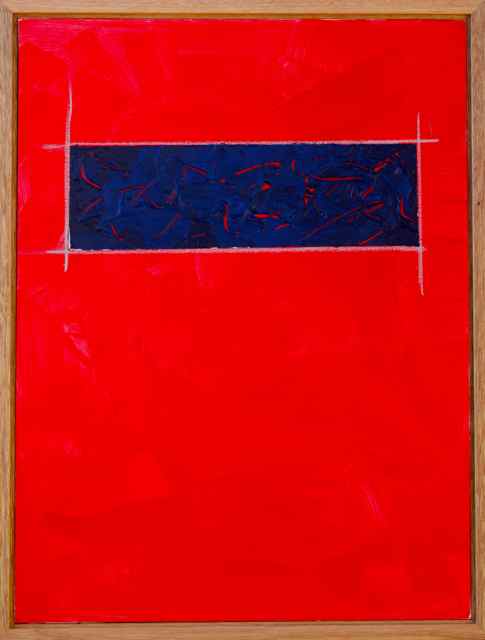
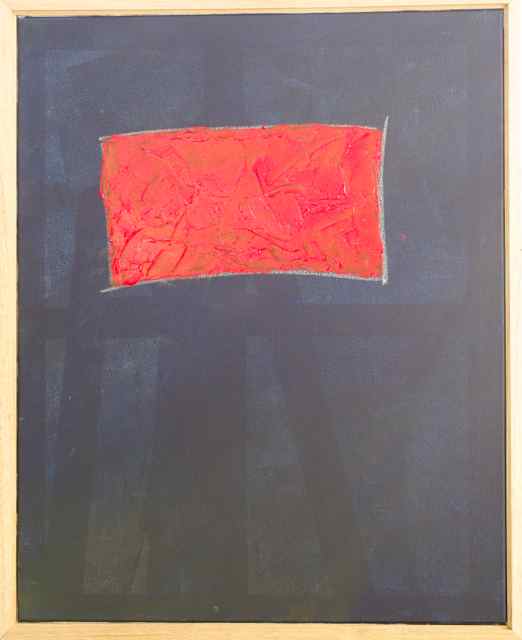

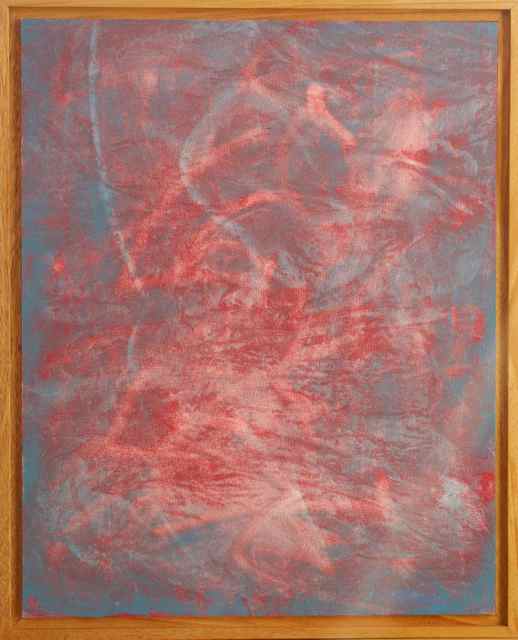
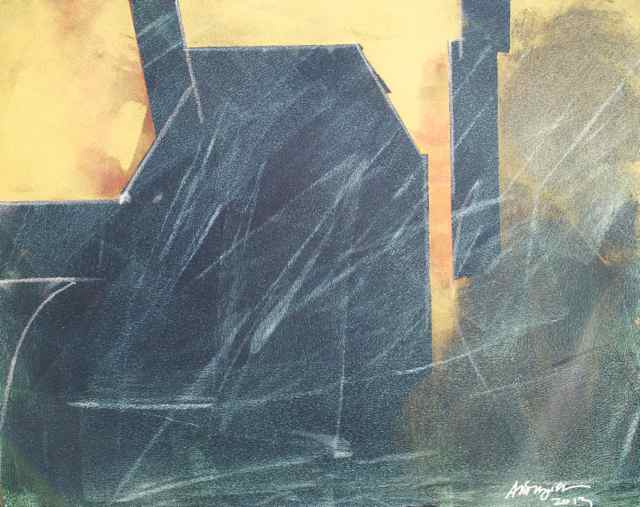

Michael Marzolla’s work explores his fascination with color, light, space, shape, movement and the creative process. The terms that best describe his motivation to make art are learning to look and learning to see using the freedom of abstract expression. He is an inspired eclectic.

“Over the rise”, acrylic on canvas, 8”x8”,
© A. Michael Marzolla, 2014
Michael was born in Oakland, CA. and spent his early childhood in the Bay Area. In 1958, his family moved to Rome, Italy, which inspired his artistic endeavors. As a child, he spent hours drawing and painting and began cartooning and illustrating in middle school in Rome. He returned to the States in 1962, and attended high school in Long Beach, CA., where he became the cartoonist and illustrator for the school newspaper. After high school, Michael served in the US Coast Guard, and then majored in art at Humboldt State University, where he studied under Jim Anderson, Leslie Price and Stephen Daley. He graduated in 1973, with a degree in Fine Arts. He served in the Peace Corps from 1973 to 1977, in Guatemala, Central America. Michael’s assignment included developing educational illustrations and cartoons. In Guatemala, he met and traveled with the painter and sculpture, Peter A. Bradley, who encouraged his eclectic style. After the Peace Corps, he attended graduate school at UMass in Amherst, Massachusetts, and majored in non-formal international education. He then worked in Lesotho, Southern Africa with a local community education organization and his assignment included the training of the organization’s local artist/illustrator team. Michael has lived in Santa Barbara since 1983. Michael had a 30 year career as an educator with the University of California.
He is now focused on painting, drawing and photography. He exhibits with the Abstract Art Collective.
Influences: Goya and El Greco, Turner, HonoréDaumier. Morris Graves, Sam Francis, Hockney, Rothko, Stella, Morris Louis, Motherwell, Peter Bradley, and the Mexican muralists Ribera, Orzoco and Siquieros. Cartoonists R. Crumb, Danny O’Neill, Ralph Steadman, Bill Mauldin, Walt Kelly.
